Travel Articles & Guides
In-depth articles to help you plan the perfect visit to this iconic Tokyo landmark
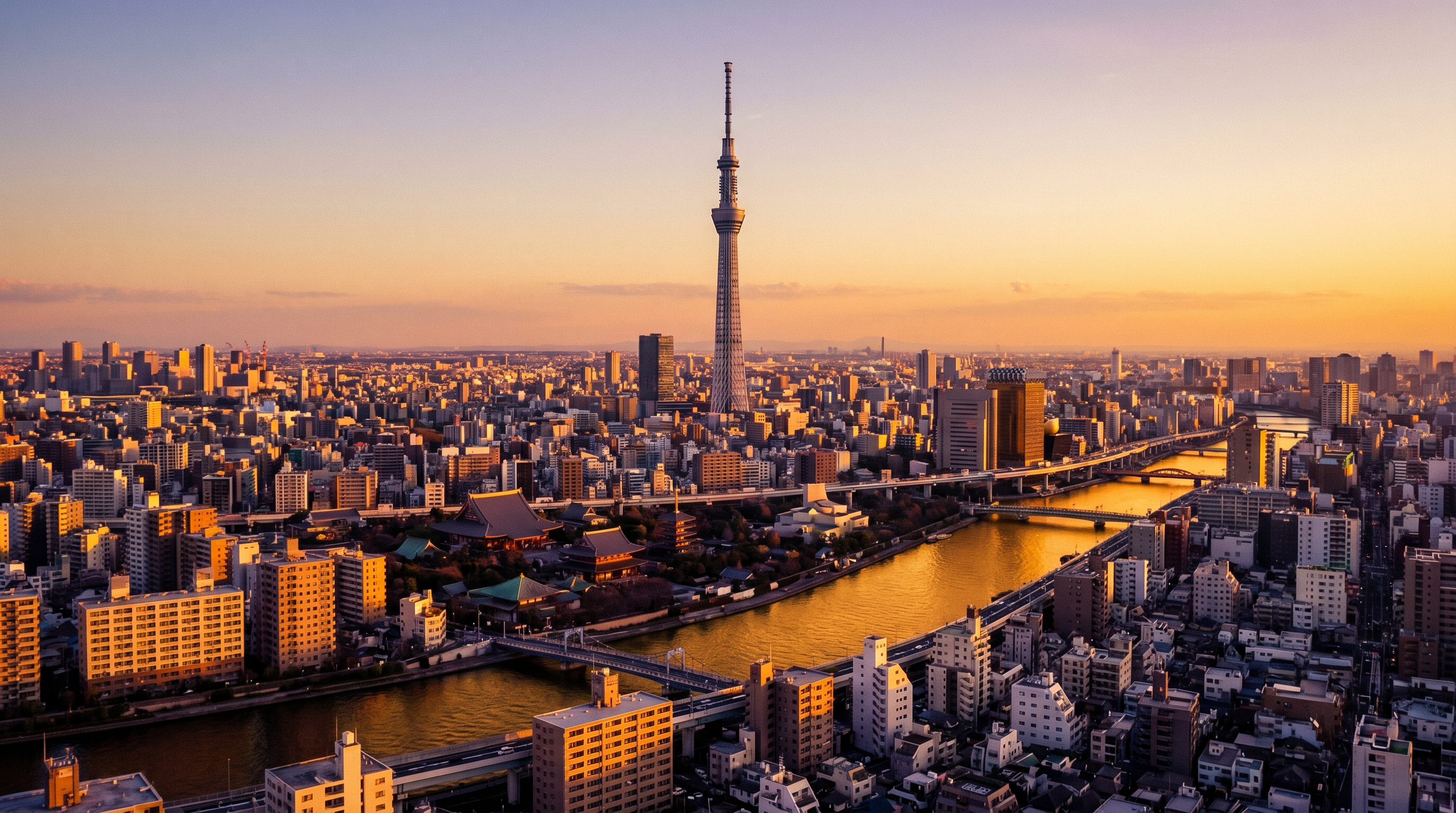
The Engineering Marvel Behind the World's Tallest Tower
Discover how Japanese engineering created a 634-meter structure that withstands earthquakes, typhoons, and the test of time through innovative design principles.
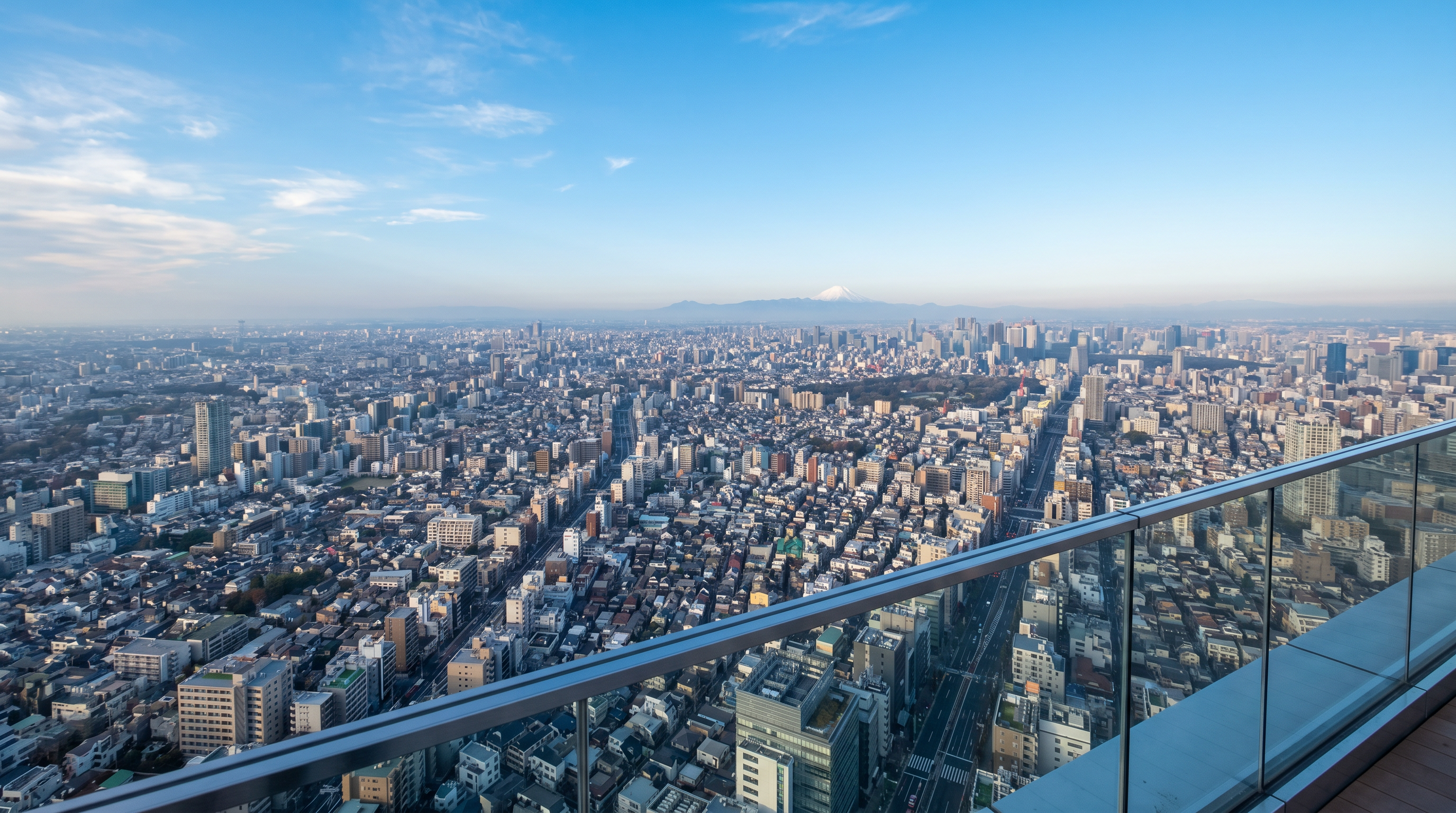
A Complete Guide to the Two Observation Decks
Everything you need to know about the Tembo Deck at 350 meters and the Tembo Galleria at 450 meters — the highest observation points in Japan.
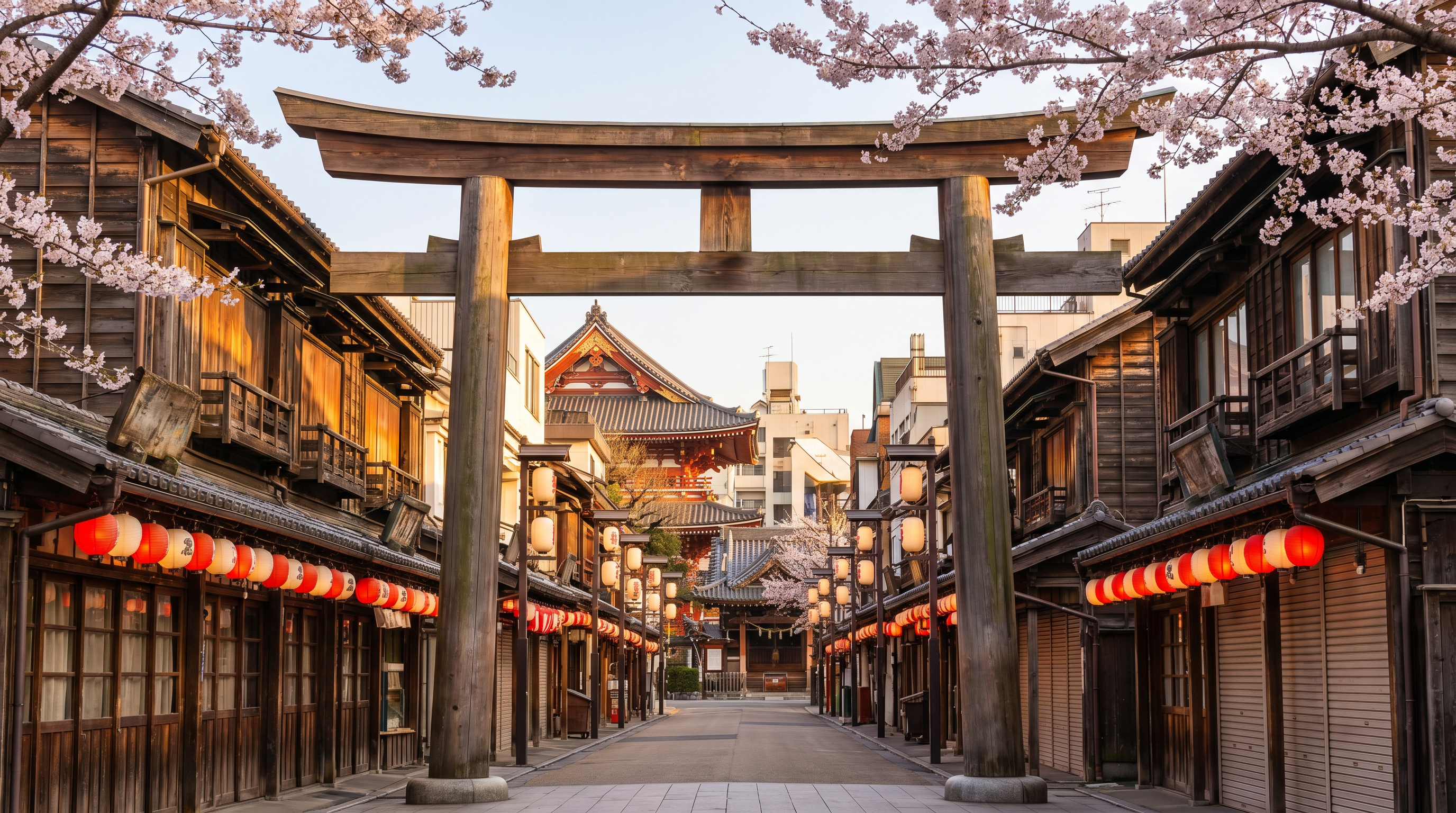
From Musashi Province to Modern Marvel: A Historical Journey
Trace the fascinating history from the naming contest that drew 110,000 votes to the tower's role in replacing aging broadcast infrastructure.
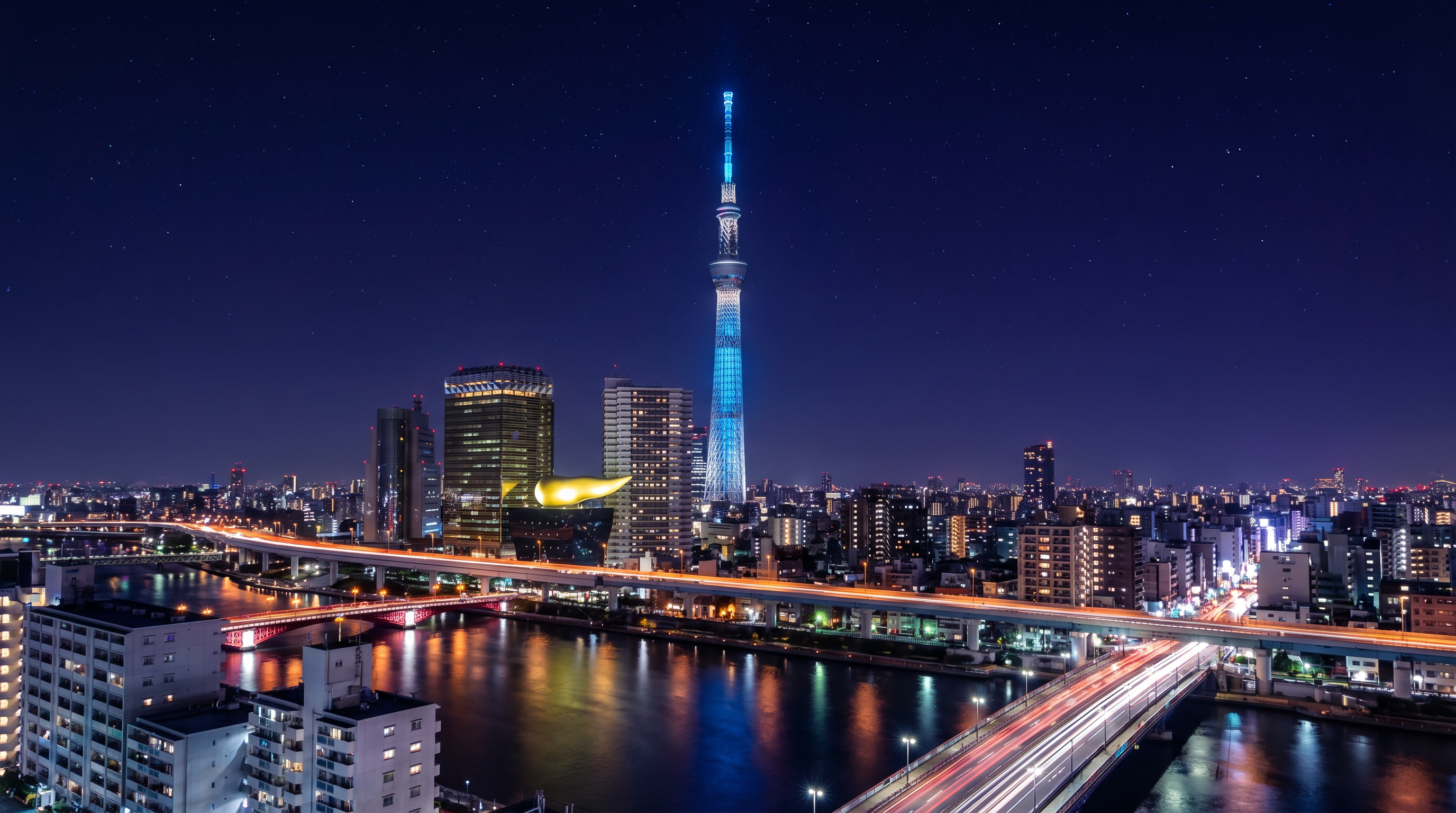
The Stunning LED Illumination Patterns and Their Meaning
Learn about the two alternating illumination designs — Iki and Miyabi — that transform the tower into a beacon of traditional Japanese aesthetics each night.
How to Get There: A Complete Transportation Guide
Navigate Tokyo's extensive transit network with ease — from nearby train stations to direct bus routes from major hubs and airports.
Exploring the Sumida District: Culture Beyond the Tower
Discover the rich cultural heritage of Sumida — from the historic Asakusa temple district to traditional craft workshops and the famous Sumida River.
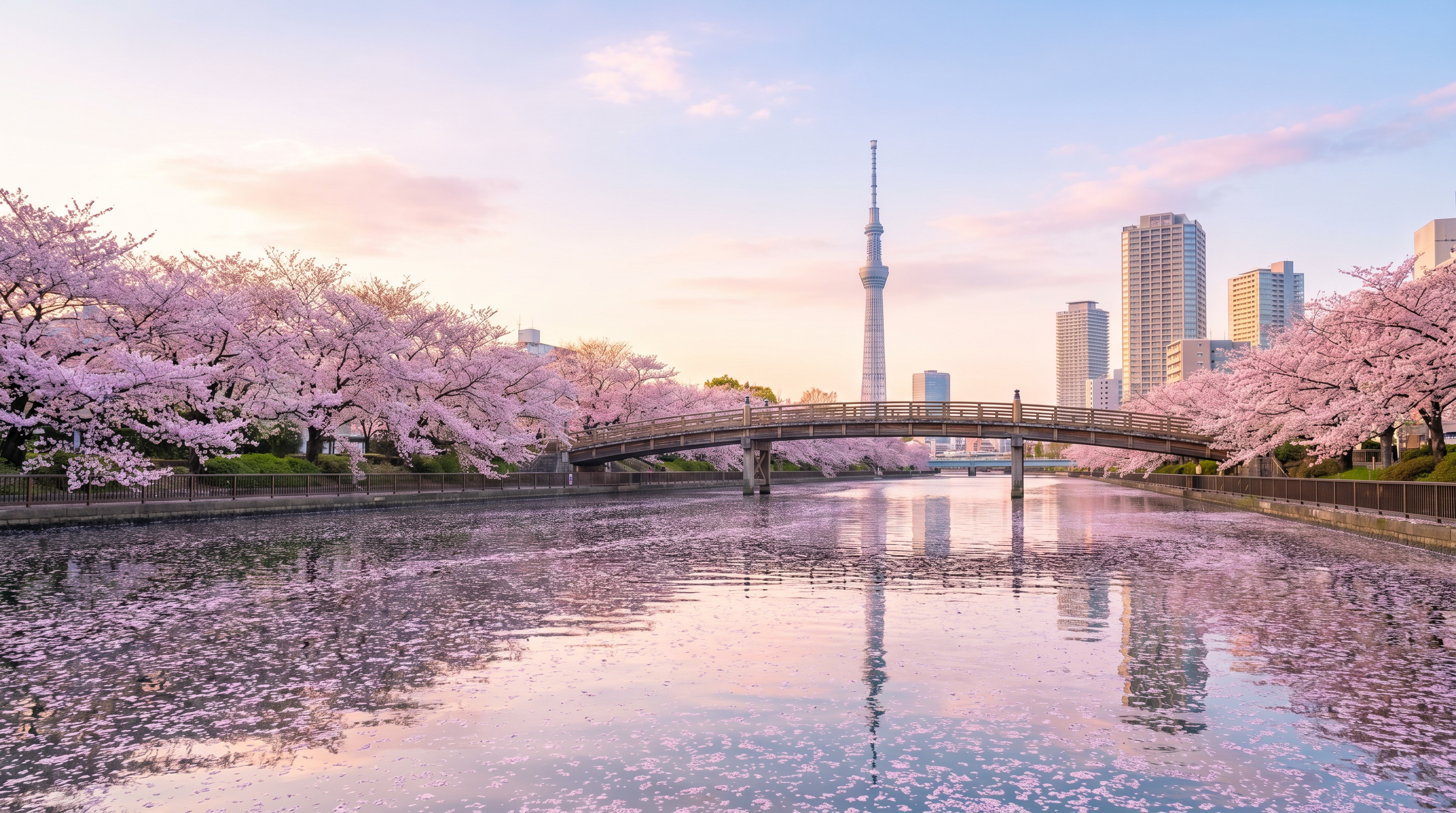
Best Photography Spots and Camera Tips for Stunning Shots
A photographer's guide to capturing the perfect shot — from golden hour vantage points to nighttime long-exposure techniques along the Sumida River.
Dining at 350 Meters: Sky-High Culinary Experiences
From French-Japanese fusion at the Musashi Sky Restaurant to traditional street food in the surrounding Solamachi complex — a complete food guide.
Family-Friendly Activities and Planning Tips for All Ages
Make the most of a family visit with tips on the aquarium, interactive exhibits, child-friendly dining, and managing wait times with young travelers.
The Broadcasting Legacy: From Tokyo Tower to the Modern Era
Understand the tower's critical role as the primary broadcast antenna for the Kanto region, serving over 30 million residents with television and radio signals.
Green Initiatives and Sustainable Tourism in Sumida
Explore how the tower complex incorporates energy-efficient LED lighting, rainwater harvesting, and promotes eco-conscious tourism in the surrounding area.
The Ultimate Visit Planning Guide: Timing, Weather, and Crowds
Maximize your experience with insider knowledge about the best times to visit, weather considerations, crowd patterns, and money-saving strategies.